Process & utility piping
Chemical, pharmaceutical and industrial process lines, plus the utility networks that keep the plant running.
Process and utility piping, steam lines, fire protection and underground networks, fabricated and erected to drawing, with the testing and finishing the system needs.
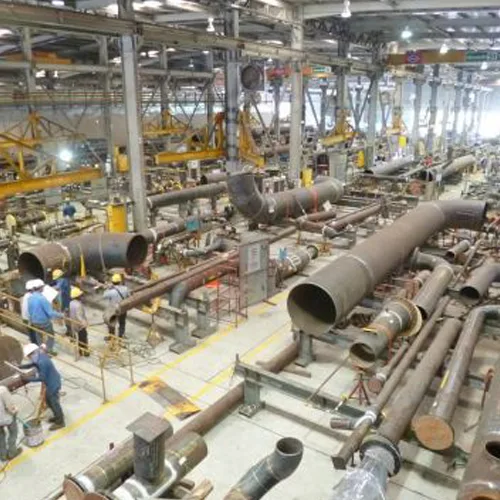
Piping is where the plant's process, utility and safety systems meet. A line has to carry the right medium, at the right pressure and temperature, through a route that can actually be supported, inspected and maintained.
We fabricate in the workshop, erect on site and coordinate the testing and finishing: radiography, stress relief, insulation, painting and the IBR approvals where they apply. One contractor stays responsible for the line from drawing to handover.
Fabrication is the visible part. Supports, testing, approval and insulation are what make the system handover-ready.
Chemical, pharmaceutical and industrial process lines, plus the utility networks that keep the plant running.
Steam and high-integrity lines with the fabrication, testing and approval steps the IBR route requires.
Fire-water and protection piping, routed and supported for the system's test and operating requirements.
Underground networks and large-diameter pipe laying, including push-through and horizontal directional work.
Spool fabrication, supports, site joints, alignment and erection by our own crews.
Hydro tests, radiography, stress relief, painting and thermal insulation, coordinated as one scope.
A look at the fabrication and erection work behind the drawings.
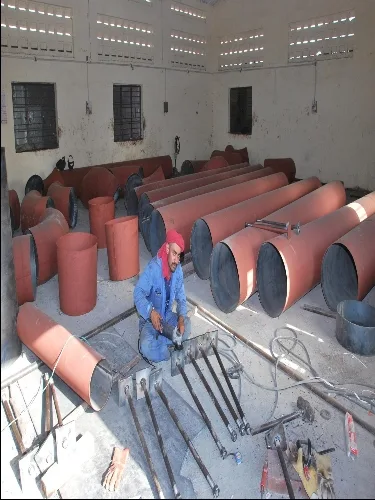
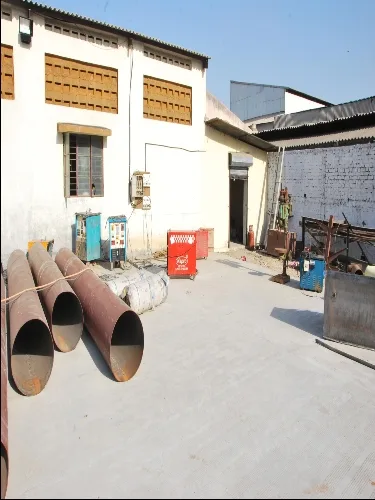
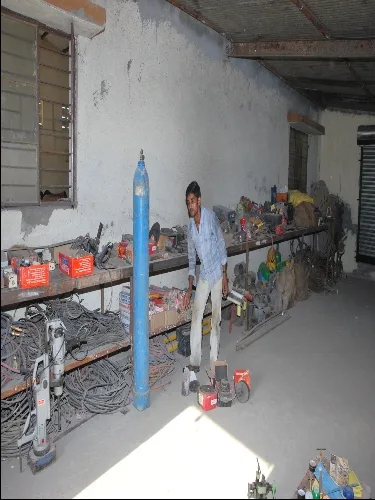
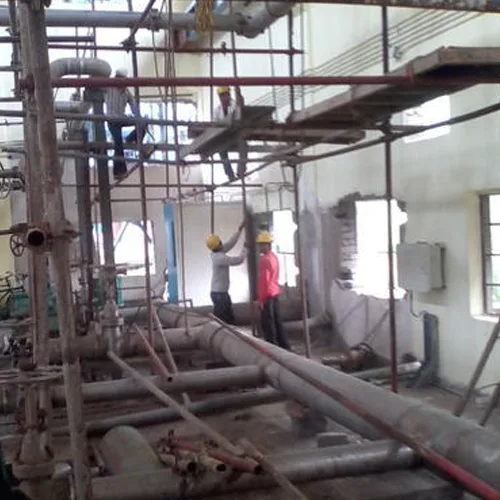
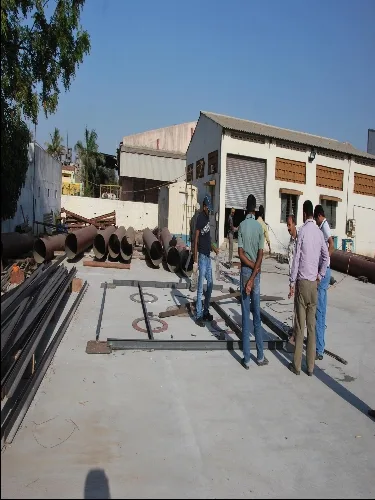
Each stage produces something the next stage can check: a drawing, a fit-up, a test sheet, an approval.
Spool drawings, bill of material and traceability before the first cut.
Cutting, fit-up, welding and dimensional checks in the workshop.
Radiography, hydro tests and stress relief as the line requires.
Supports, site joints, alignment and connection to equipment.
Insulation, painting, approvals and the as-built record.
Welder qualification, fit-up checks, NDT, pressure testing and finishing are recorded against the line. If a joint is opened later, the history should be findable.
For IBR lines, we coordinate the approval route alongside fabrication and testing, so the paperwork does not become the last blocker before steam.
“A line is not finished when it looks complete. It is finished when it has been tested and documented.”
SSE · Piping team